
An SSL certificate directly impacts SEO because Google uses HTTPS as a confirmed ranking signal — websites without it are flagged as “Not Secure” in browsers like Chrome, Firefox, and Safari, which erodes user trust and hurts search performance. For any business serious about organic visibility in the United States, installing a valid SSL certificate on a web server is no longer optional. This guide breaks down exactly how HTTPS influences Google rankings, what certificate options exist, and what every site owner needs to know to stay competitive.
What Is an SSL Certificate and Why Does It Matter?
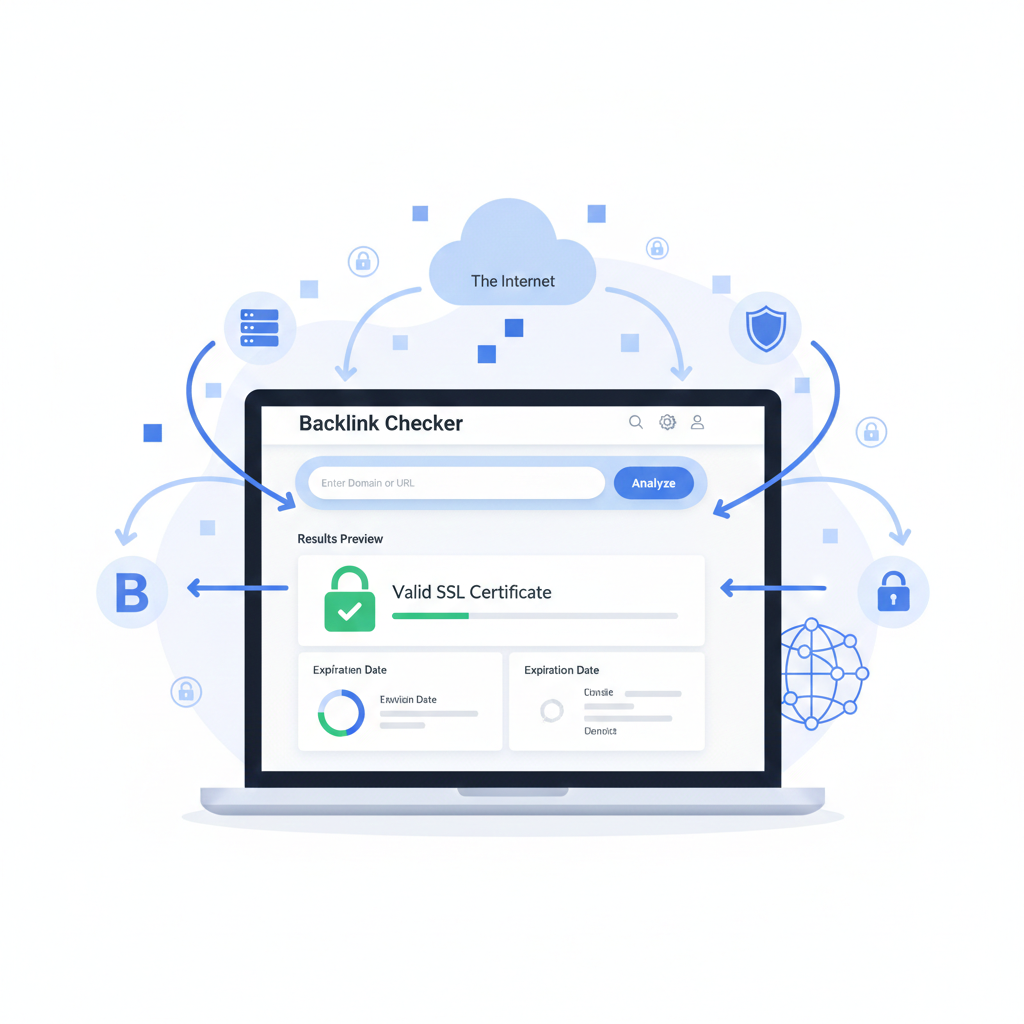
An SSL certificate is a digital file that authenticates a website’s identity and enables an encrypted connection between a user’s browser and a web server. When a certificate is properly installed, the site’s URL changes from HTTP to HTTPS — the padlock icon appears, and data exchanged between the visitor and the server is protected through encryption.
The certificate is issued by a trusted certificate authority (CA), a third-party organization that validates the domain name and, depending on the certificate type, the organization behind it. Without this verification, web browsers treat a site as untrusted, generating error messages that discourage visitors and signal to Google that the site may not be safe.
How the Certificate Issuance Process Works
Obtaining an SSL certificate starts with generating a CSR (certificate signing request) on the web server using a tool like OpenSSL. This CSR contains the server’s public key and identifying details such as the domain name and organization name. Once the new CSR is ready, it is submitted to the certificate authority or SSL provider, which validates the information and issues a signed software certificate.
The issued certificate files — commonly delivered as a .crt file, .cer file, or PEM file — are installed on the web server alongside any intermediate certificates needed to complete the chain back to the primary root. After installation, running the site through an SSL checker such as SSL Shopper confirms whether the certificate is trusted by all major web browsers and whether the chain is complete.
HTTPS as a Google Ranking Factor: What the Data Shows
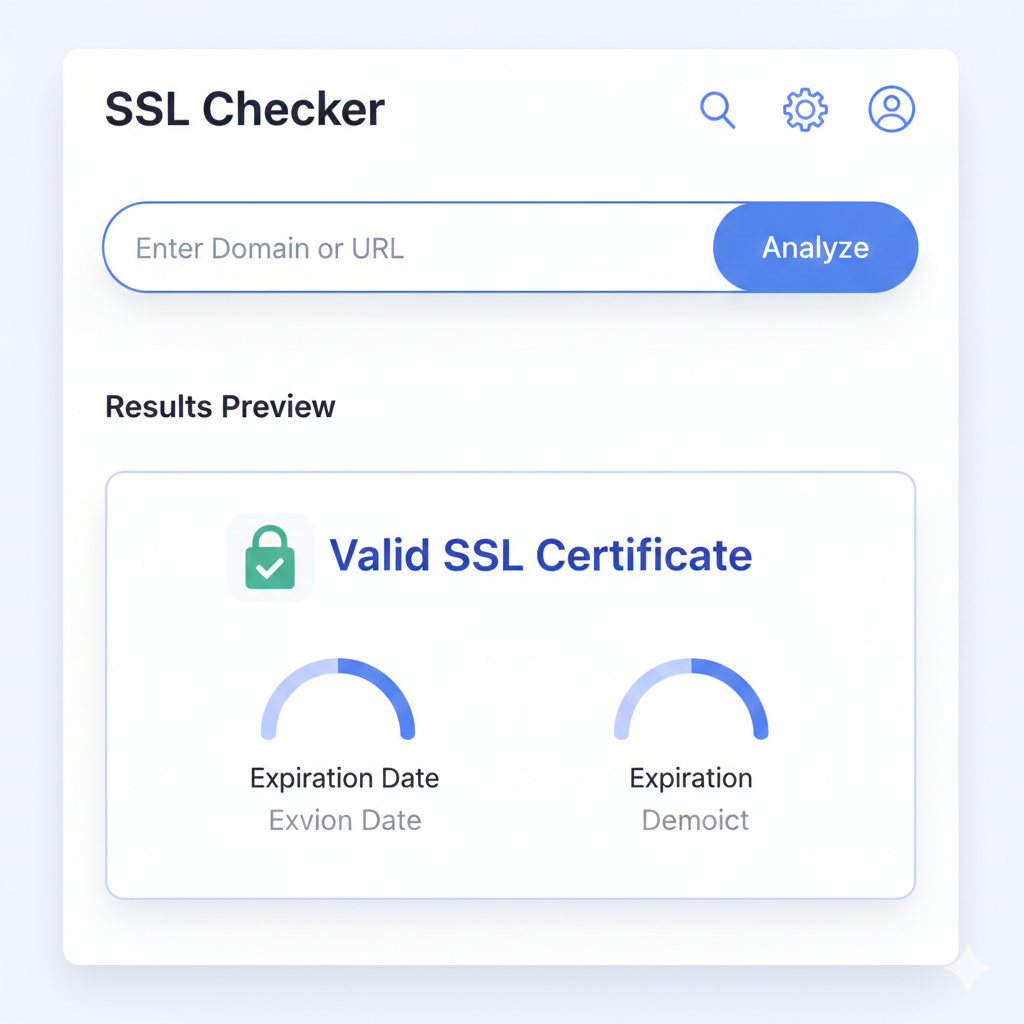
Google officially confirmed HTTPS as a ranking signal in 2014. While it was described initially as a lightweight signal, its importance has grown alongside rising web security expectations. Research from tools like Semrush and Moz consistently shows that nearly all pages ranking on Google’s first page use HTTPS. For US-based businesses competing in local or national search, operating without a valid certificate is a measurable disadvantage.
Core HTTPS-Related Ranking Signals
- Encryption strength: Google favors sites using modern, strong encryption. Outdated ciphers like Triple DES are considered insecure and should not be used.
- Certificate validity: Expired or self-signed certificates trigger browser error messages that block users from reaching the site — and Google crawlers register these failures too.
- Proper redirects: HTTP-to-HTTPS redirects must be implemented cleanly to preserve link equity and ensure search engines index the correct version of each page.
- Mixed content: Loading HTTP assets on an HTTPS page undermines the secure connection. Google Search Console reports these as issues that should be resolved promptly.
Types of SSL Certificates: Choosing the Right One
Not all SSL certificates are equal. The type a site owner selects should reflect the nature of the website, its audience, and its security requirements. There are three primary validation levels and several structural types available from any reputable SSL provider.
Certificates by Validation Level
Domain Validation (DV) certificates are the most common and cheapest SSL certificates available. They verify that the applicant controls the domain name but do not validate the organization behind it. They are ideal for blogs, personal sites, and informational pages where user trust in the organization itself is not the primary concern.
Organization Validation (OV) certificates require the certificate authority to verify the organization’s legal existence in addition to domain control. This makes them more appropriate for businesses that collect user data or run membership portals.
Extended Validation (EV) certificates undergo the most thorough vetting process. They are commonly used by e-commerce platforms and financial institutions where user trust is critical. While browsers no longer display the green address bar, EV certificates remain a strong credibility signal.
Certificates by Coverage: Wildcard, Multi-Domain, and Code-Signing
Wildcard certificates secure a primary domain and all its subdomains under a single certificate. For example, one wildcard certificate can cover blog.example.com, shop.example.com, and every other subdomain sharing the same hostname — making them highly cost-effective for large sites.
Multi-domain (SAN) certificates allow a single certificate to cover multiple distinct domain names, making them practical for organizations managing several web properties.
Code-signing certificates, while outside the web server context, authenticate software distributed to users — a related application of digital trust infrastructure that the same certification authorities typically offer alongside standard SSL products.
Technical Setup: From CSR Generation to Installation
The workflow for securing a web server with an SSL certificate is consistent across most environments running OpenSSL. Below is a summary of the standard process.
- Generate a new CSR: Use the appropriate OpenSSL command to create a new certificate signing request alongside a .key file. The output includes a PEM-formatted file containing the public key and server identifying information.
- Submit the CSR: Paste the CSR content into the SSL provider’s portal. Depending on the certificate type, validation can take minutes (DV) or several business days (OV/EV).
- Download and install the certificate files: The CA delivers the new certificate in .cer or .crt format along with any intermediate certificates. These files must be installed correctly on the web server for the chain to validate.
- Export for IIS: Windows IIS users may need to convert the certificate using the OpenSSL PKCS12 export process. The command openssl pkcs12 -export bundles the certificate and private keys into a .pfx file. A password is required for the output file to protect the private key.
- Generate DH parameters: For enhanced forward secrecy, running the openssl dhparam command after installation generates a Diffie-Hellman parameter file that strengthens the encrypted session.
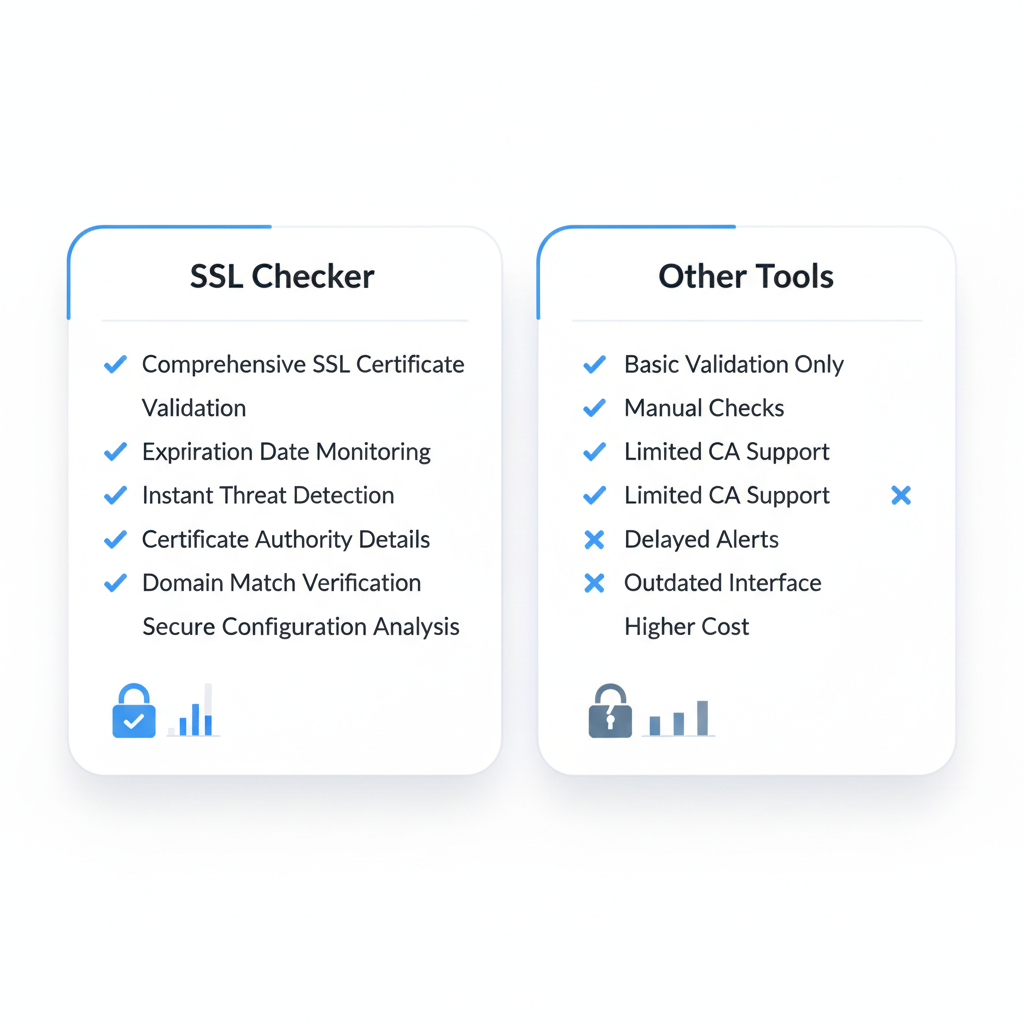
After installation, use SSL certificate tools such as the SSL Shopper SSL checker or the SSL wizard provided by many certificate providers to verify that the certificate is valid, trusted by web browsers, and free of chain errors. Certificate validity periods are currently capped at approximately 13 months, so tracking expiry in months and days ahead of time — and building a renewal workflow — is essential. Most providers offer customer support and some include a full refund guarantee if issues arise during issuance.
SSL, User Trust, and Core Web Vitals: The Indirect SEO Impact
Beyond the direct ranking signal, HTTPS influences SEO through user behavior. When visitors encounter a browser warning about an insecure site, bounce rates spike and session depth drops. These engagement signals contribute to Google’s quality assessment of the page over time.
Modern web browsers — including Chrome, Firefox, and Safari — maintain root certificate stores and actively warn users about sites presenting certificates from untrusted certification authorities. Sites flagged for hosting malware or operating with a revoked certificate are effectively removed from secure browsing and, subsequently, from competitive search rankings.
HTTPS is also a prerequisite for HTTP/2, which enables performance features that improve page load speed — a core component of Core Web Vitals. Fast, secure sites tend to rank higher and retain users more effectively, creating a compounding SEO advantage.
Common SSL Certificate Issues That Hurt SEO
Even a properly issued certificate can create SEO problems if the setup is incorrect. These are the issues encountered most frequently:
- Hostname mismatch: The common name or Subject Alternative Name on the certificate does not match the hostname in the URL, triggering a browser error message that blocks access entirely.
- Incomplete certificate chain: Missing intermediate certificates mean browsers cannot validate the certificate back to the root. The full chain — including all intermediate files — must be served correctly.
- Expired certificates: An expired certificate triggers immediate browser warnings. Most certificate providers allow users to renew before expiration with overlapping validity periods to prevent outages.
- Self-signed certificates: Certificates not issued by a recognized certificate authority are rejected by all major browsers. They are acceptable for internal testing on a private system but must never be used on a live web server.
- Mixed content: HTTP resources loaded on an HTTPS page produce security warnings that undermine trust and trigger errors in Google Search Console.
- PKCS12 export errors: When migrating certificates between servers, incorrect use of the openssl pkcs12 -export command — such as a missing password on the output file or the wrong key file — leads to installation failures.

Choosing an SSL Provider: What to Look For
Selecting the right certificate provider involves more than comparing price. US-based businesses should evaluate the following:
- Root store inclusion: The provider’s primary root certificate must be trusted across all major browsers. This is non-negotiable for any public-facing web server.
- Validation transparency: Reputable certificate authorities practice full disclosure through published Certification Practice Statements.
- Support quality: Responsive customer support matters when a certificate error, failed CSR, or same-name mismatch requires urgent resolution.
- All-inclusive options: Some providers offer all-inclusive packages that bundle installation guidance, automated renewal, and an SSL wizard — useful for teams without dedicated server administrators.
- Price and validity: Cheap SSL certificates are available from reputable CAs and resellers. Free DV certificates such as those from Let’s Encrypt are valid for 90 days and suit smaller sites. For organization validation or longer validity, a paid SSL provider is the appropriate choice.
Subscribing to a provider’s newsletter sign-up for security updates and renewal reminders is a practical step that many site owners overlook until an unexpected expiry creates a problem.
Frequently Asked Questions
Does having an SSL certificate directly improve Google rankings? Yes. Google has confirmed HTTPS as a ranking signal. While it is not the strongest ranking factor — content quality still leads — a missing or broken SSL certificate actively disadvantages a site in search results.
What is the difference between a CSR and a private key? A certificate signing request (CSR) is a public file submitted to a certificate authority. It contains the public key and domain name details. The private key is the secret counterpart that stays on the server and must never be shared. Together, they establish the encrypted session between browser and server.
How often do SSL certificates need to be renewed? Certificate validity is capped at approximately 13 months. After expiry, browsers block access to the site. Free certificates from Let’s Encrypt renew every 90 days. Tracking expiry in advance — at 60 days and 30 days before the deadline — prevents unexpected outages.
What is the difference between wildcard certificates and multi-domain certificates? Wildcard certificates cover a single domain and all its subdomains. Multi-domain certificates (SAN certificates) cover multiple distinct domain names in a single certificate. The right choice depends on the site’s architecture.
Can a free SSL certificate be used for an e-commerce site? Free DV certificates encrypt the connection and are technically valid. However, for sites processing payments or handling sensitive customer data, an organization validation or extended validation certificate from a paid SSL provider offers stronger trust signals and is sometimes required by payment processors.
Conclusion
An SSL certificate is not just a security checkbox — it is a foundational SEO asset. From authenticating a web server’s identity through encryption, to satisfying Google’s HTTPS ranking signal, to building the user trust that reduces bounce rates and supports Core Web Vitals performance, certificates are deeply intertwined with modern search success.
US-based site owners should prioritize getting the right certificate — whether a basic DV option, a wildcard certificate for subdomain coverage, or a full organization validation certificate for business credibility — installed and maintained without gaps. Regularly validating the configuration using SSL checker tools, monitoring expiry dates in advance, and selecting a reputable certificate authority are non-negotiable steps for any site competing in Google search results.
Securing a site through proper HTTPS implementation is one of the clearest, most measurable investments a site owner can make in sustainable organic search performance.